Understanding AI Energy Grid Mapping
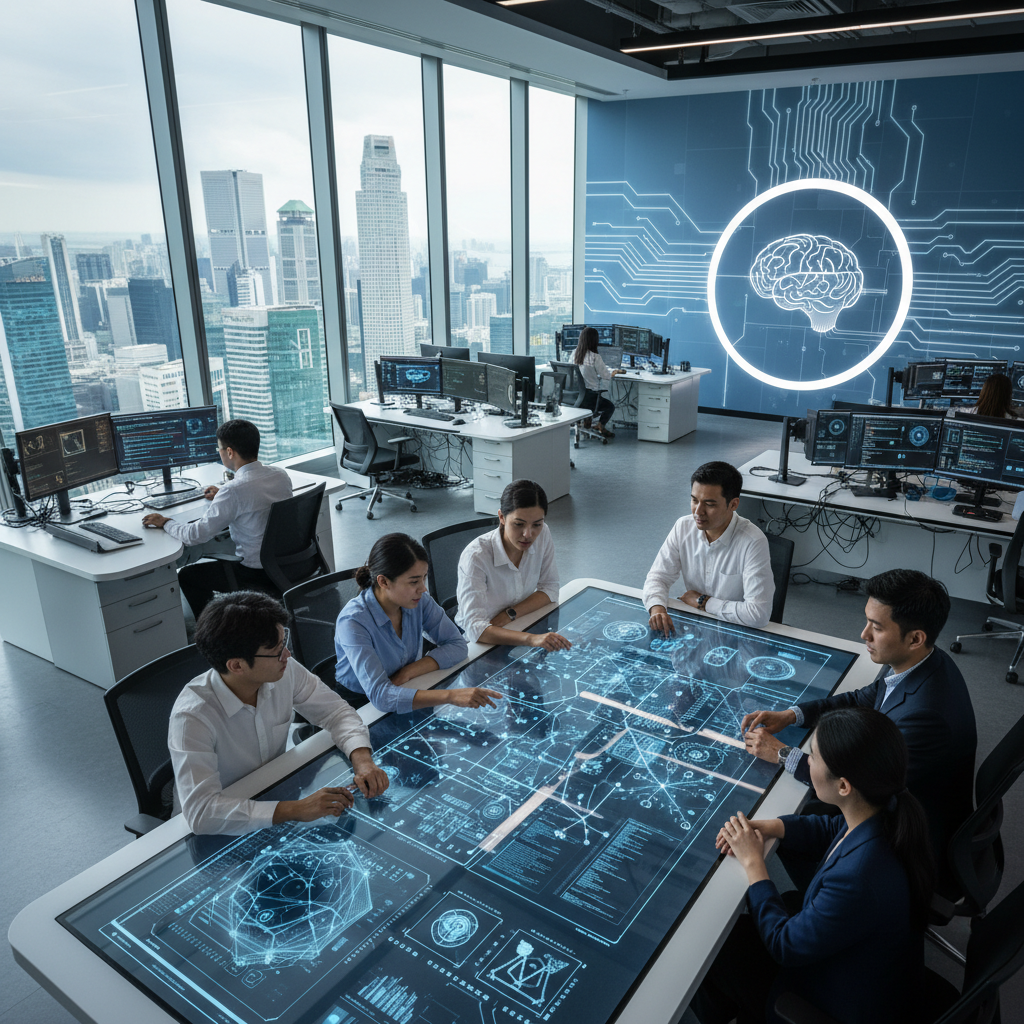
As the world pivots towards sustainable power, the integration of AI into global energy systems has become a pivotal development. AI energy grid mapping refers to the use of artificial intelligence technologies to optimize and coordinate energy distribution across grids. This innovation is crucial as it enables the efficient management of energy resources, particularly in the context of increasing electricity consumption driven by data centers and technological advancements.
Renewable Energy Coordination: The China Example
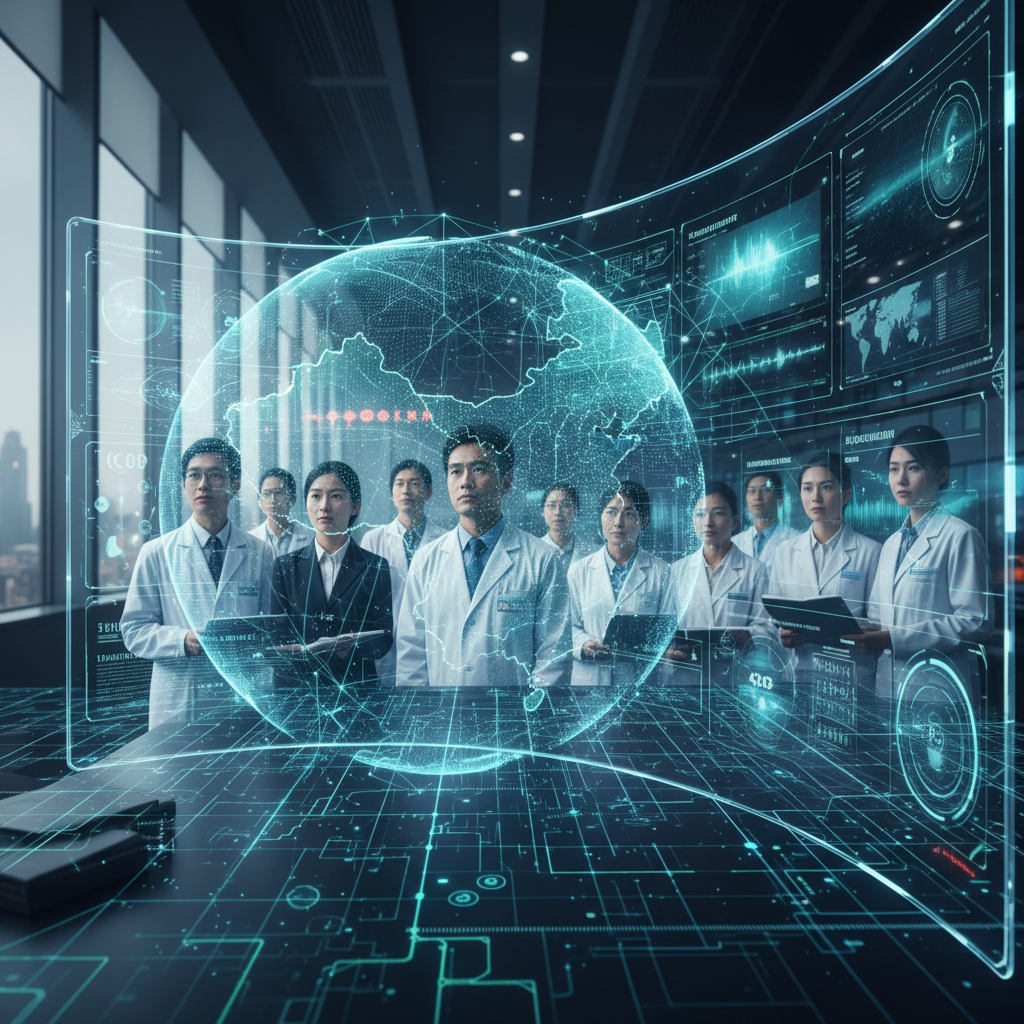
China has recently taken a significant step forward by implementing an AI-driven mapping system to manage its renewable energy grid. The move is a testament to the country’s commitment to leveraging technology for sustainable energy solutions, positioning it as a potential model for other nations. China’s success in this arena highlights the importance of renewable energy coordination in tackling the challenges posed by the growing demand for electricity.
Key Mechanisms of AI in Energy Grid Mapping
AI systems are employed to analyze vast amounts of data generated by energy grids, predicting demand patterns and optimizing resource allocation. This capability is particularly beneficial in integrating renewable energy sources, which are inherently variable due to their dependence on weather conditions. AI can anticipate fluctuations in energy supply and demand, ensuring a stable power distribution while minimizing waste.
Importance of AI in Global Energy Infrastructure
The global energy landscape is undergoing a transformative shift, with AI technologies playing a critical role. As highlighted by the Artificial Intelligence News, the International Energy Agency (IEA) predicts that global data-center electricity consumption could approach 1,000 TWh by the end of this decade. Such projections underline the urgency for innovative solutions like AI energy grid mapping to prevent infrastructure overload and ensure sustainable energy distribution.
Data Center Electricity Consumption and Challenges
Data centers are major consumers of electricity, contributing significantly to the strain on existing energy infrastructures. In the US, for instance, capacity market prices in PJM, the country’s largest grid operator, have risen more than tenfold within two years. This surge is primarily driven by the growth of data centers, necessitating rapid upgrades to transmission infrastructure to keep pace with demand.
Implications of China’s AI Energy Grid Mapping for the World
China’s implementation of AI in its energy grid offers a blueprint for other countries grappling with similar energy challenges. By successfully coordinating its renewable resources through AI, China demonstrates the potential for technology to enhance energy efficiency and sustainability. This development raises important questions about how other nations can adopt similar strategies to address their own energy infrastructure needs.
Future Prospects and Global Adoption
As AI technologies continue to evolve, their application in energy grid mapping is expected to expand globally. Countries will need to invest in AI-driven solutions to effectively manage their energy resources and meet increasing electricity demands. This shift towards AI-enhanced energy systems is not only beneficial for sustainability but also essential for economic growth and competitiveness on a global scale.
Key Takeaways
- AI energy grid mapping is essential for optimizing energy distribution.
- China’s AI-driven renewable energy coordination sets a global example.
- Data centers significantly impact electricity consumption, necessitating AI solutions.
- Global energy infrastructure must adapt to growing demands through AI integration.
- Future prospects indicate wider adoption of AI in energy management worldwide.
Sources